

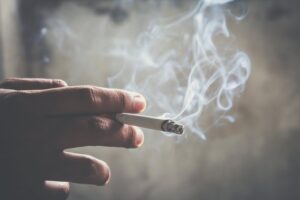
Sleep is essential for a child’s growth, development, learning, and overall health. When children experience interrupted breathing during sleep, it can affect everything from mood and concentration to physical health. One condition that can interfere with healthy sleep is pediatric sleep apnea. While several factors may contribute to this condition, research suggests that exposure to secondhand smoke may increase a child’s risk of developing sleep-related breathing problems.
Understanding this connection can help parents make informed decisions about protecting their child’s health.
What is Pediatric Sleep Apnea?
Sleep apnea is a condition in which breathing repeatedly stops and starts during sleep. In children, the most common form is obstructive sleep apnea, which occurs when the airway becomes partially or fully blocked during sleep.
Common symptoms of pediatric sleep apnea may include:
- Loud snoring.
- Pauses in breathing during sleep.
- Restless sleep.
- Mouth breathing.
- Daytime fatigue.
- Difficulty concentrating.
- Irritability or behavioral issues.
Enlarged tonsils and adenoids are among the most common causes, but other factors may also contribute.
How Secondhand Smoke Affects Children
Secondhand smoke contains harmful chemicals that can irritate the airways and respiratory system. Children exposed to smoke may experience increased inflammation and swelling in the nose, throat, and air passages.
This irritation may contribute to airway narrowing, which can make breathing more difficult during sleep. Some studies have found that children exposed to secondhand smoke are more likely to snore and develop sleep-disordered breathing symptoms compared to children in smoke-free environments.
Secondhand smoke exposure may also worsen existing respiratory problems such as asthma and allergies, which can further affect sleep quality.
Why Children Are More Vulnerable
Children’s lungs and immune systems are still developing, making them especially sensitive to environmental irritants like tobacco smoke. Because children breathe more rapidly than adults, they may inhale higher amounts of harmful substances relative to their body size.
Even smoke exposure that occurs outside the home can leave harmful particles on clothing, furniture, and other surfaces, sometimes referred to as thirdhand smoke.
Reducing the Risk
While not every child exposed to secondhand smoke will develop sleep apnea, minimizing smoke exposure can help support healthier breathing and sleep.
Parents can help reduce risks by:
- Keeping homes and vehicles smoke-free.
- Avoiding smoking around children.
- Encouraging smoke-free environments.
- Seeking medical evaluation for snoring or breathing concerns.
If a child frequently snores or shows signs of poor sleep, a healthcare provider or pediatric sleep specialist may recommend further evaluation.
Secondhand smoke may contribute to breathing problems and increase the risk of sleep-disordered breathing in children, including sleep apnea. Because healthy sleep is critical for development and overall well-being, reducing smoke exposure can play an important role in protecting a child’s health.
About the Practice
Do you or your child snore loudly? Experience chronic fatigue or difficulty concentrating? If so, you may benefit from sleep apnea therapy, and we’re proud to offer it here at Fairfax Dental Group. Our customized sleep apnea appliances – which are small, comfortable, and fit over your teeth like a mouthguard – can help you sleep soundly through the night and give you your precious rest back so you can enjoy a higher quality of life. Book an appointment with us online or by calling (703) 560-6301.